design for Decomposition (d/D)
an end-of-life design methodology
d/D leverages the advancements in biomaterial technology to promote designing products that decompose. initially targeting e-waste, decomposable housings would allow for the harvest & reuse of valuable electrical components.
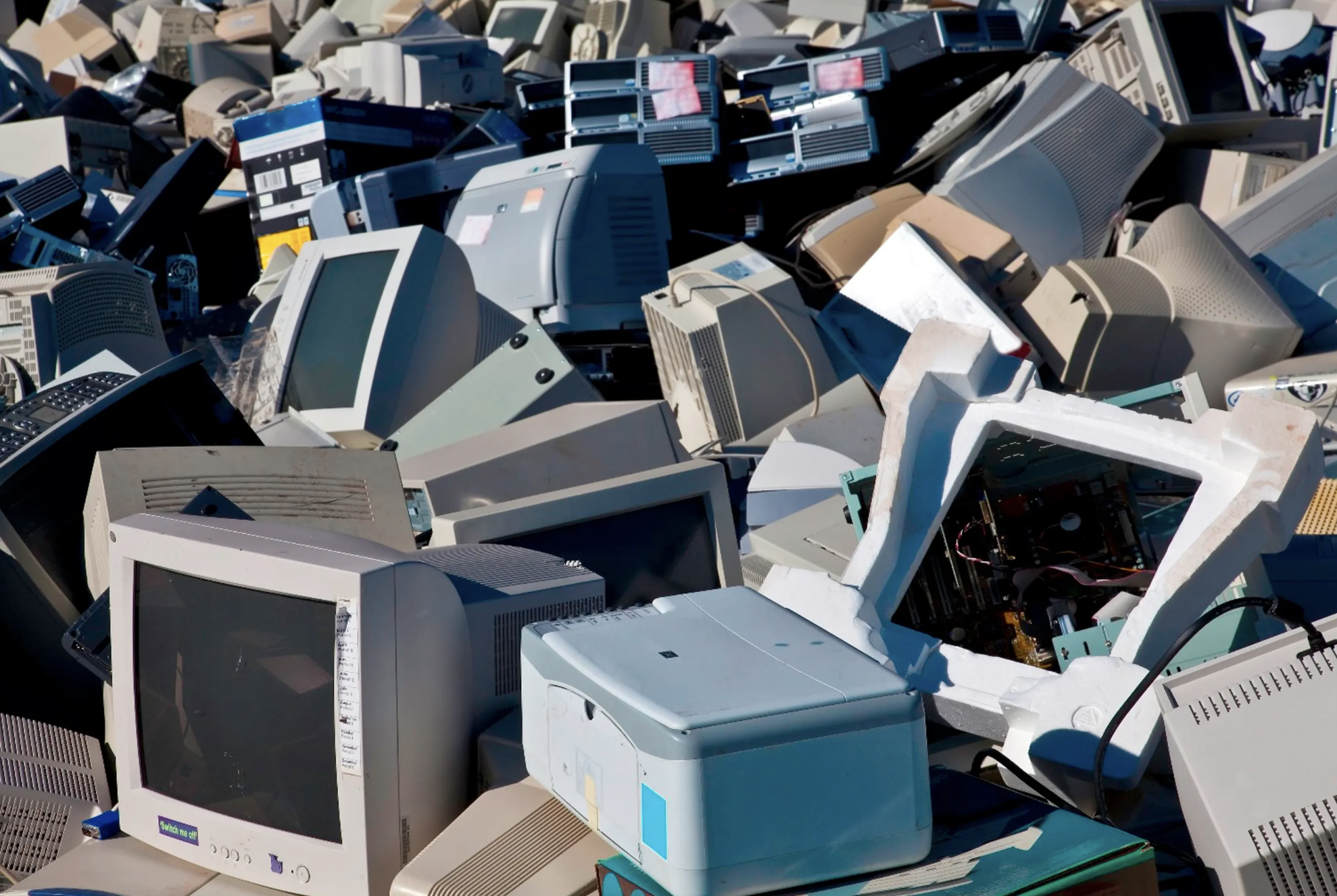
there is simply too much waste. overconsumption and fast-products have us consuming and discarding faster than our waste infrastructure can handle. e-waste has become the fastest growing household waste stream due in large part to the difficulty in recycling electronics. while d/D as a methodology can be applied to all products, the e-waste crisis demands our efforts be used to address it first.
too much, too fast
d/D supports the Circular Economy & promotes accountability in manufacturing to drive true circularity.
within our consumer culture are statements on overconsumption, social standing, income inequality, and more. the complexity in addressing the issue of waste means that d/D is not a solution. d/D simply proposes a new way of thinking about how to design, manufacture, & consume.
not a solution
something for everyone
d/D as a methodology targets designers and product manufacturers but the philosophy behind d/D can also speak to consumers. d/D in practice has more information on how to employ design for decomposition in daily life.
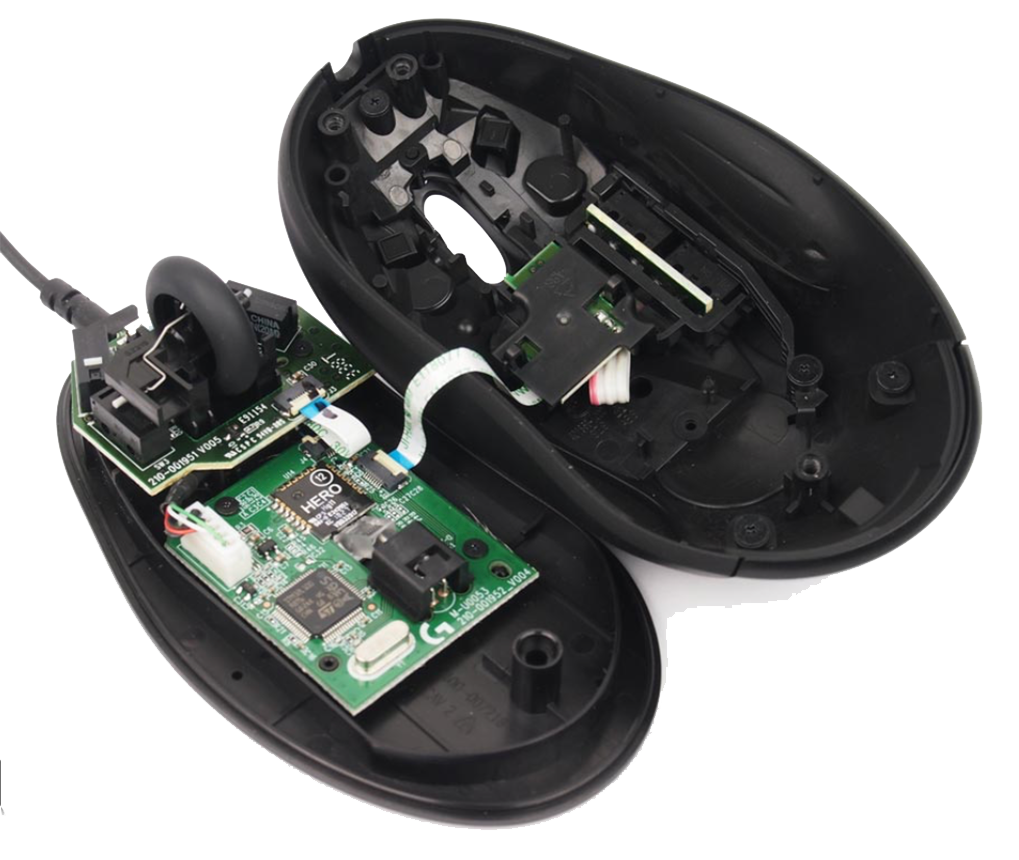
if this computer mouse housing was made from bioplastics, it could be dissolved instead of disassembled to easily harvest components from the circuit board.
faq (s)
-
d/D is a method of designing products to decompose once they no longer function. d/D can be used to design entire products or components/housings. in the case of the latter, decomposing housings can allow for the harvesting of minerals and metals to be reused.
-
by leveraging the advances in engineered biomaterials. alternatives to oil-based materials like plastics and silicones, as well as styrofoam and concrete have been developed recently to achieve d/D. more materials are being developed in labs and design studios everyday.
-
under natural conditions it might, but d/D products use biomaterials that can be rapidly broken down via calibrated decomposition. these materials dissolve when they come in contact with various elements like water, heat, or oxygen. because they are all-natural, there is no toxic residue and could be washed down the drain.
-
as e-waste is the fastest growing household waste segment, this was the first place we looked to propose d/D. the practicalities of d/D cannot be utilized in every industry or for every product, but our hope is that the methodology can be co-opted so that companies can begin to emphasize focus solely on the product end-of-life stage during the design process.
-
d/D takes inspiration from the Circular Economy guide but its framework is very large. design for Decomposition looks to focus and simplify the product lifecycle so it's clear. we see d/D as the framework that allows for the Circular Economy to be successful.
-
in our vision of the future, technological innovations allow organic materials to replace any material that doesn’t naturally decompose. designers would be free to create without the consequence of waste stream contribution. from a manufacturing perspective, there would be no toxicity in the production of materials or goods. ideally, landfills would shrink and become reminders of the danger of unconsidered consumption.
case studies

“d/D’s mission is to promote the use of biomaterials in design & manufacturing to allow for the harvesting of electrical components for reuse.”